Value-Driven Contractor Selection for Better Living
Enhance Your Space: Key Information On Residential Improvement Projects for Each House Owner
Residents commonly search for options to upgrade their residences by using renovation services. Such undertakings may vary starting with kitchen improvements to entire residential overhauls. Understanding the options available is essential for choosing intelligently. Additionally, there are practical considerations such as setting a budget and choosing the right builder. When property owners embark on this process, they could face surprising obstacles. The key to a successful transformation lies in thorough design and implementation. Which actions should follow?
Understanding the Different Types of House Improvement Projects

When homeowners consider renovating their homes, they often encounter numerous renovation options suited to various requirements and preferences. These options can be widely classified into a few distinct groups, each addressing specific aspects of residential enhancement. Kitchen remodeling focuses on updating appliances, cabinetry, and floor plans to boost practicality and the look. Bathroom remodeling typically involves improving the fittings, tiling, and shelving options for improved comfort and visual flair.
Whole-home remodeling encompasses extensive modifications to the entire house, often including structural alterations to maximize the area and layout. Outdoor renovation projects, on the other hand, focus on boosting the home's outward appearance, handling the exterior walls, the roof, and the garden design. Additionally, specialized services including converting the cellar and attic conversions help residents make the most of underutilized spaces. All these service types delivers specific perks, enabling homeowners to choose options that fit their desired outcome for their home life. Understanding these distinctions is vital for choosing wisely throughout the remodeling project.
Creating an Attainable Financial Limit for Your Home Improvement Work
How do property owners make certain their remodeling projects remain economically sound? Setting a practical budget is vital. Property owners must start by determining their fiscal limits, including savings and potential financing options. This initial step allows one to figure out how much can be allocated for the renovation without jeopardizing other monetary duties.
Subsequently, property owners need to investigate the expenses linked to their planned updates, including materials, labor, and surprise expenses that tend to crop up. Making an exhaustive list of needs aids in identifying must-haves versus nice-to-haves, allowing for adjustments if the budget tightens.
It is prudent to set aside an emergency fund, usually about 10-20% of the overall cost, to handle unforeseen expenses. Periodically examining and tweaking the budget throughout the remodeling process is also useful for preserving fiscal oversight. In the end, a carefully structured budget not only guarantees project viability but also enhances the overall remodeling experience for homeowners.
Choosing the Right Contractor for Your Requirements.
Choosing the appropriate professional can significantly affect the outcome of an updating effort. Homeowners should begin by performing extensive investigation, asking for referrals from friends, family, or internet reviews. It’s vital to verify credentials, like licenses, insurance, and bonds, to verify their standing.
Once potential contractors are identified, they should seek detailed cost breakdowns and timeframes, making it possible to compare options knowledgeably. Meeting with them offers a look at their manner of communicating and their professional conduct, which are crucial for working together effectively.
Furthermore, examining previous work via portfolios or referrals shows the builder's standard of work. Homeowners should also inquire about warranties or guarantees, reflecting the contractor's confidence in their work.
Ultimately, selecting a contractor who aligns with the homeowner’s vision, budget, and timeline fosters a more positive remodeling experience, making certain the outcome satisfies needs and changes the space as intended.
Structuring and Laying Out Your Perfect Area.
When property owners picture their perfect areas, meticulous organization and deliberate design form vital parts of an effective updating job. The beginning stage requires reviewing existing necessities and future desires, allowing for a thorough understanding of how the space will be used. It is important for homeowners to weigh functionality, aesthetics, and personal style, making sure the design captures their unique preferences.
Following this, creating a detailed budget is vital. This budget should cover materials, labor, and possible unexpected costs. Hiring professional designers can give meaningful advice, aiding in maximizing the area while sticking to budgetary constraints.
Integrating components like natural light, spacious designs, and eco-friendly supplies can improve the final result. Finally, seeing the project via mock-ups or 3D visualizations can aid in refining ideas before implementation. By approaching the planning and design phase with intention, homeowners can design a welcoming, practical area tailored to their lifestyle.
Dealing with Permits and Building Codes in Residential Projects
Familiarizing oneself with the red tape and requirements can be daunting for homeowners beginning a home improvement project. Every local government sets particular guidelines that govern what can be done during renovations, often influenced by area restrictions, construction standards, and safety standards. Homeowners must familiarize themselves with local regulations to prevent expensive penalties or construction hold-ups.
Generally, securing permits is essential for major changes, such as structural changes or new wiring installations. This process frequently requires submitting blueprints for approval and may require inspections at various stages.
Engaging a knowledgeable contractor can streamline these steps, as they are usually well-versed in local regulations and can help manage the documentation. Homeowners should also keep communication open with the city's regulatory body to verify legality throughout the project. By understanding and maneuvering through these view this guide requirements, homeowners can meet their renovation objectives while guaranteeing that the work is safe and legal in their renovations.
Frequently Asked Questions
What is the Duration of a Standard Home Renovation?
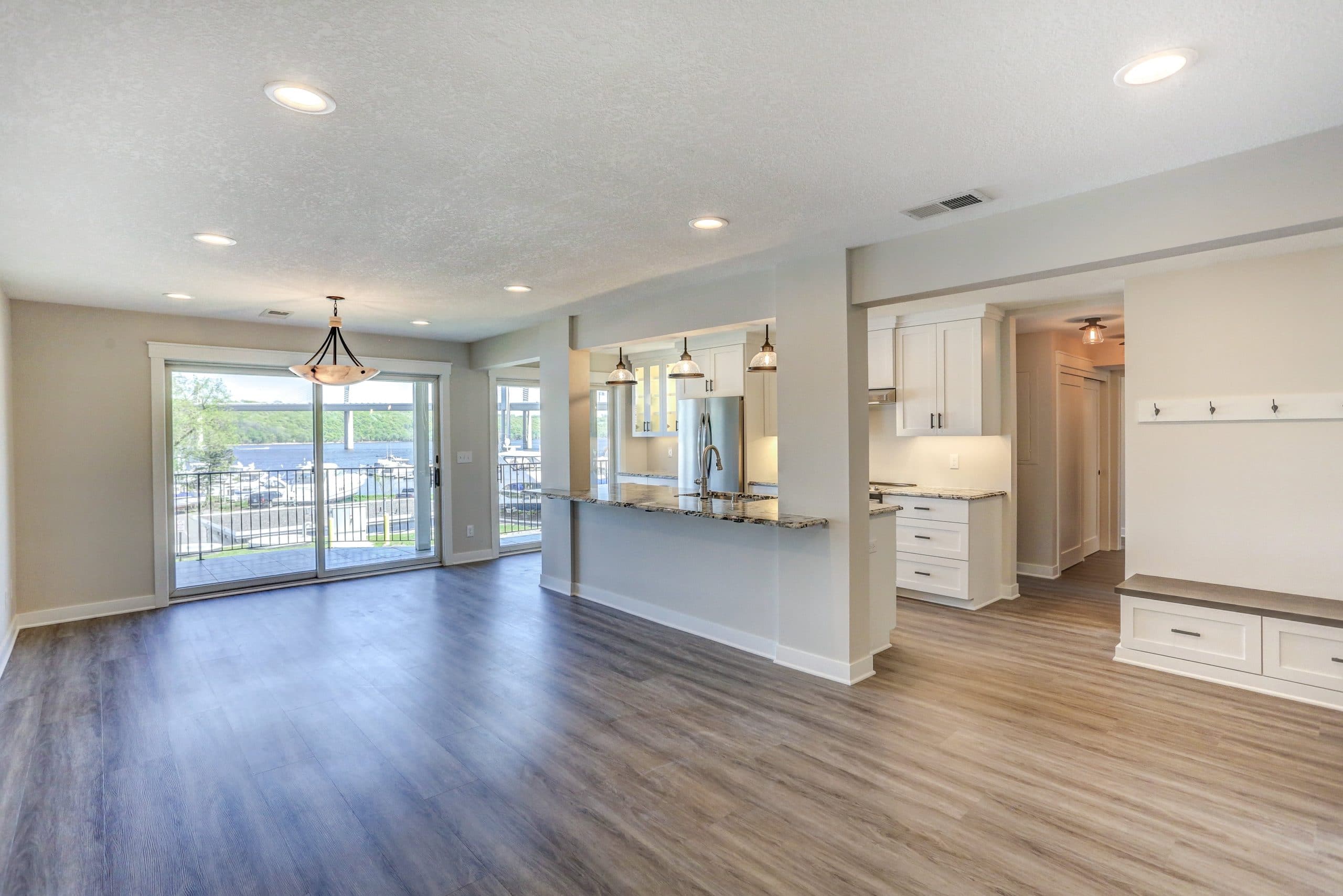
A standard home renovation generally requires three to six months on average, based on the size of the job, scale of the house, and availability of materials. More involved renovations might need extra time for completion.
What are frequent blunders to avoid throughout the renovation process?
Typical pitfalls during remodeling often involve failing to budget properly, ignoring necessary permits, not adhering to the project schedule, failing to communicate effectively with contractors, and failing to think about long-term functionality. Awareness of these pitfalls often results in a more efficient, more successful remodeling experience.
How do I choose the appropriate materials for my project?
Picking the best materials involves evaluating their resilience, aesthetics, and financial limits. Researching options, consulting professionals, and thinking about upkeep are vital steps in reaching educated conclusions, making sure the renovation matches with personal and functional requirements.
Can I live in my home during renovations?
You are able to stay in the house during renovations, but it could be uncomfortable. Careful planning, effective coordination with the renovation team, and creating defined spaces where you can live normally can lessen the stress during the process.
What warranties should I expect from the renovation company?
You should anticipate receiving warranties covering workmanship, materials, and the integrity of the structure, typically ranging from one to ten years. It is crucial to review the fine print and details in partnership with the renovation company to know the full extent of the guarantee and its restrictions.